
B2B Lead Generation CRM and Webhook Integration Architecture: Complete Developer Roadmap
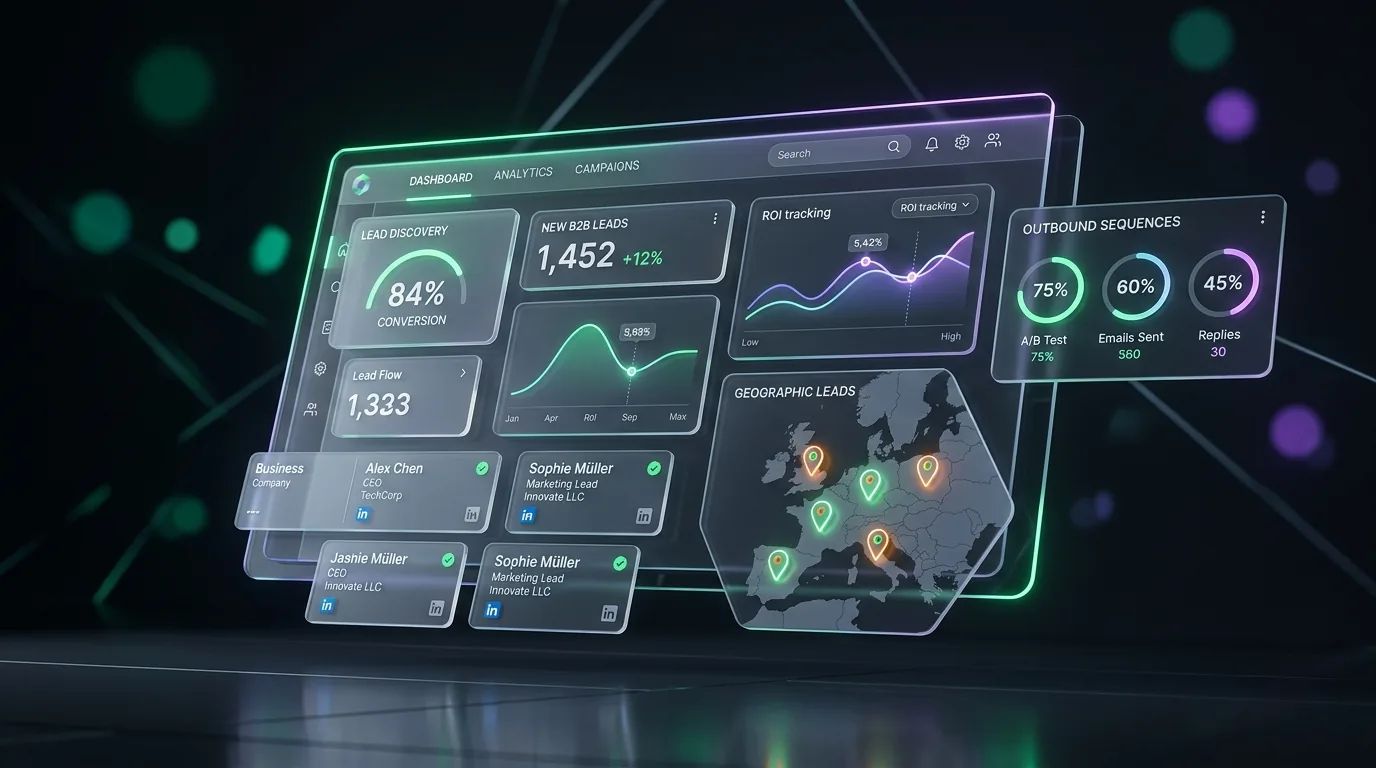
Architecting B2B lead generation CRM and webhook integrations: streaming enriched Google Maps prospect data, call recordings, and WhatsApp interactions into HubSpot, Salesforce, and GoHighLevel.
Sikander Ali
Senior Software Architect, TechnoFreaks
Key Takeaways (TL;DR)
- Bi-Directional CRM Sync: Connect discovered business records directly to HubSpot, Pipedrive, and GoHighLevel with automatic field mapping.
- Real-Time Webhook Triggers: Stream extraction and response events into Zapier, Make, or custom HTTP endpoints.
- Cryptographic Security: Enforce HMAC-SHA256 signatures on every webhook payload to prevent spoofing.
- Native API Access: Query and trigger discovery jobs programmatically via REST API endpoints for seamless workflow embedding.
# Introduction
While our core platform excels at Google Maps lead extraction, automated website demo generation, and multi-channel WhatsApp campaigns, modern agencies require a unified data pipeline.
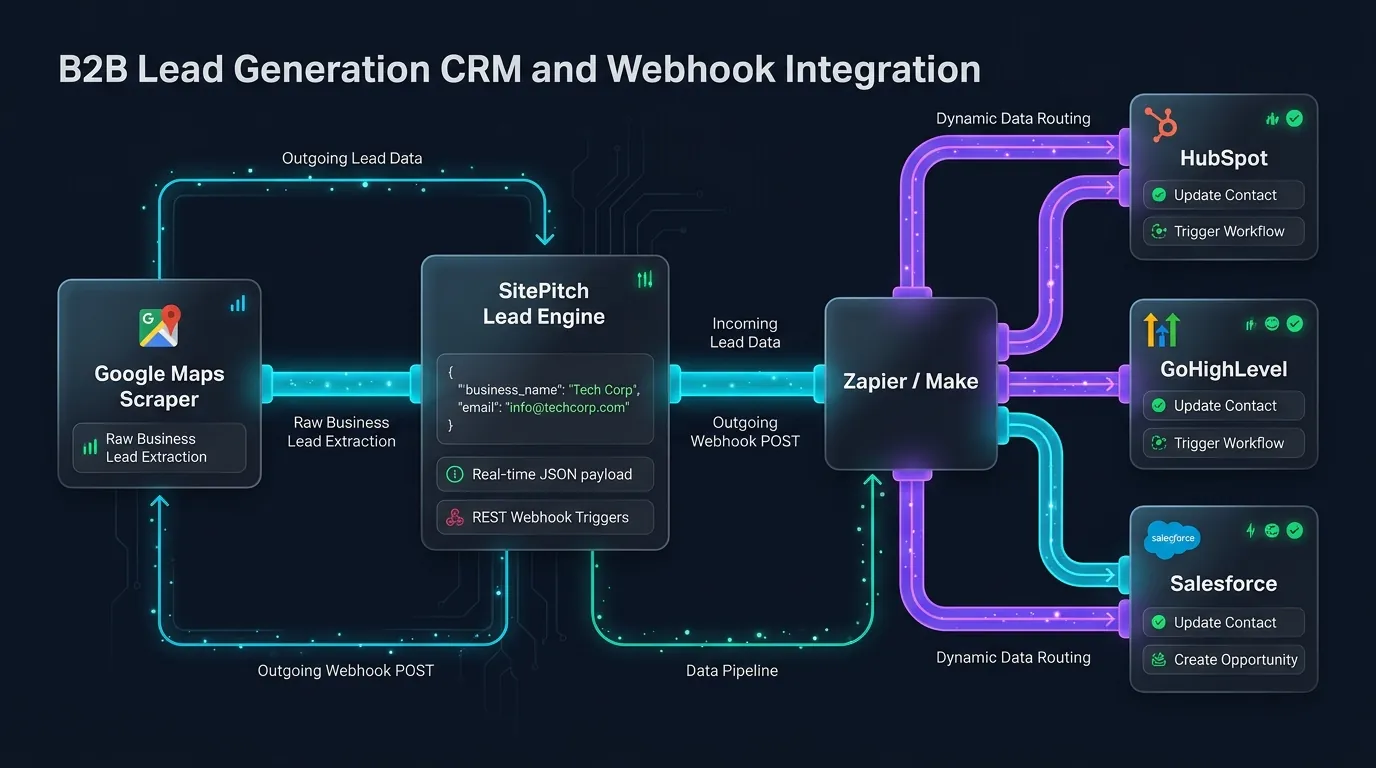
Connecting discovery data with your sales CRM, billing platform, and client dashboards transforms one-off prospecting into an automated revenue flywheel. In this architectural guide and developer roadmap, we explain how SitePitch streams lead generation events, live demo subdomains, and outbound telephony transcripts directly into enterprise CRM ecosystems including GoHighLevel, HubSpot, Salesforce, and custom backend APIs.
# The Integration Ecosystem Architecture
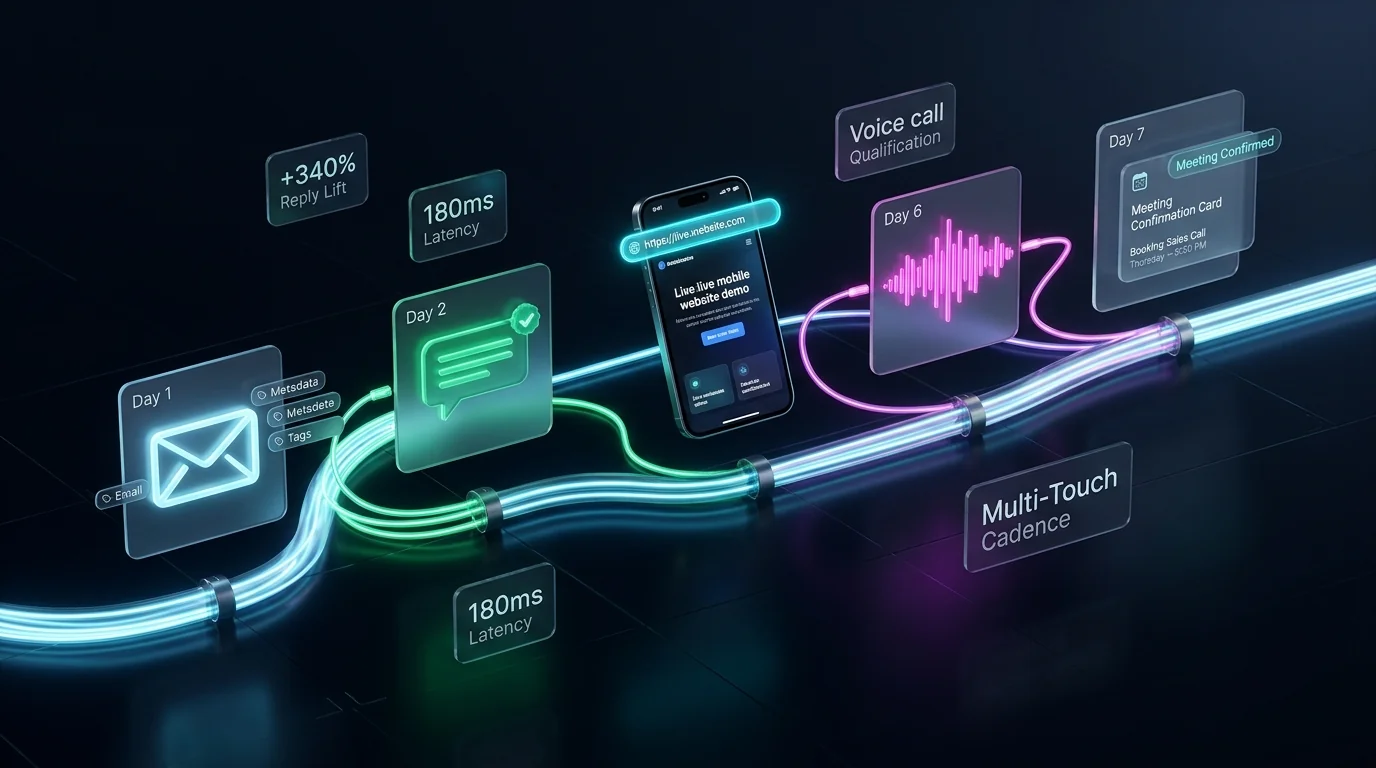
When an agency executes an outbound prospecting workflow, data passes through multiple distinct lifecycle phases:
[Discovery Engine]
Google Maps / Social Directory Scraping
        │
        ▼
[Enrichment & Demo Generation]
E.164 Phone Normalization + Live Subdomain Website Deployed
        │
        ▼
[Outbound Dispatch Gateway]
WhatsApp Message Sent + Cold Email Sequence Started
        │
        ▼
[Event Webhook Broker (Redis / BullMQ)]
HMAC-SHA256 Signed Event Dispatch
        │
        ├──────────────────────┬──────────────────────┐
        ▼                      ▼                      ▼
  GoHighLevel CRM         HubSpot CRM             Zapier / Make
  - Contact Created      - Deal Pipeline        - Custom Slack Alerts
  - Custom Demo URL      - Lifecycle Stage      - Google Sheets Sync
  - Tag: "No-Website"    - Call Recordings      - Webhook Listener
Every state transition produces a structured JSON event that is queued, signed, and dispatched with automatic exponential retry policies.
# Lifecycle Event Webhook Catalog
SitePitch provides developer webhooks for critical lifecycle moments across lead prospecting, website compilation, and campaign execution:
| Event Identifier | Trigger Condition | Primary Payload Entities |
|---|---|---|
lead.discovered |
Fresh listing extracted from Google Maps or social platform | Business name, raw phone, address, coordinates, category |
lead.enriched |
Contact normalized, website status verified, WhatsApp capability checked | Cleaned E.164 phone, domain status, review count, rating |
website.deployed |
Live demo site generated and published to dedicated subdomain | demo_subdomain_url, SSL status, industry template, expiry date |
campaign.message_sent |
Email or WhatsApp dispatched to prospect | channel, message_id, recipient, timestamp, template used |
campaign.replied |
Prospect responds via WhatsApp, email, or inbound voice call | Channel, response text, sentiment score, response timestamp |
call.completed |
Autonomous AI voice agent finishes outbound qualification call | Call duration, full transcript, recording MP3 URL, qualification verdict |
# Webhook Security: HMAC-SHA256 Signature Verification
To ensure that incoming webhook payloads originate exclusively from SitePitch servers, every HTTP POST request contains a cryptographic signature header:
POST /api/webhooks/sitepitch HTTP/1.1
Host: your-agency-server.com
Content-Type: application/json
X-SitePitch-Signature: sha256=4f6a8e8b2a5d7c3f91e0a8d7c4b3a2e1...
X-SitePitch-Timestamp: 1794053021
# Node.js (TypeScript) Webhook Signature Verification
import crypto from "crypto";
import { Request, Response } from "express";

export function verifySitePitchWebhook(req: Request, webhookSecret: string): boolean {
  const signatureHeader = req.headers["x-sitepitch-signature"] as string;
  const timestamp = req.headers["x-sitepitch-timestamp"] as string;

  if (!signatureHeader || !timestamp) {
    return false;
  }

  // Prevent replay attacks (reject payloads older than 5 minutes)
  const currentTimestamp = Math.floor(Date.now() / 1000);
  if (Math.abs(currentTimestamp - parseInt(timestamp, 10)) > 300) {
    return false;
  }

  const payload = `${timestamp}.${JSON.stringify(req.body)}`;
  const expectedSignature = `sha256=${crypto
    .createHmac("sha256", webhookSecret)
    .update(payload)
    .digest("hex")}`;

  return crypto.timingSafeEqual(
    Buffer.from(signatureHeader),
    Buffer.from(expectedSignature)
  );
}
# Python (FastAPI) Webhook Signature Verification
import hmac
import hashlib
import time
from fastapi import Request, HTTPException, status

async def verify_signature(request: Request, webhook_secret: str):
    signature_header = request.headers.get("x-sitepitch-signature")
    timestamp_header = request.headers.get("x-sitepitch-timestamp")

    if not signature_header or not timestamp_header:
        raise HTTPException(status_code=status.HTTP_401_UNAUTHORIZED, detail="Missing signature headers")

    # Check timestamp freshness (5 minute threshold)
    if abs(time.time() - int(timestamp_header)) > 300:
        raise HTTPException(status_code=status.HTTP_400_BAD_REQUEST, detail="Expired webhook timestamp")

    raw_body = await request.body()
    signed_payload = f"{timestamp_header}.".encode("utf-8") + raw_body

    expected = "sha256=" + hmac.new(
        webhook_secret.encode("utf-8"),
        signed_payload,
        hashlib.sha256
    ).hexdigest()

    if not hmac.compare_digest(signature_header, expected):
        raise HTTPException(status_code=status.HTTP_403_FORBIDDEN, detail="Invalid HMAC signature")
# GoHighLevel (GHL) Native Field Mapping
For digital agencies utilizing GoHighLevel, SitePitch provides automated mapping into GHL Contact and Opportunity cards:
| SitePitch Event Field | GoHighLevel Custom Field | Data Type | Usage in GHL Automation |
|---|---|---|---|
company_name |
contact.company_name |
Text | Personalization tokens |
phone_e164 |
contact.phone |
Phone | Trigger SMS / WhatsApp workflows |
contact_email |
contact.email |
Trigger email nurture sequences | |
demo_subdomain_url |
contact.demo_website_url |
URL | Dynamic link in SMS messages |
has_website |
contact.missing_website |
Boolean | Pipeline stage assignment |
google_rating |
contact.google_review_rating |
Number | High-intent VIP routing |
call_recording_url |
contact.last_call_recording |
URL | Review agent performance |
call_sentiment |
contact.lead_sentiment |
Single Select | "Interested", "Gatekeeper", "Do Not Contact" |
# HubSpot CRM API v3 Batch Upsert
To sync hundreds of extracted prospects into HubSpot without exceeding the 100 requests per 10 seconds API limit, use HubSpot's batch contact upsert endpoint:
import requests
import json

def batch_sync_to_hubspot(leads: list, hubspot_api_key: str):
    """
    Synchronizes discovered leads into HubSpot CRM using Batch Create/Update API v3.
    """
    url = "https://api.hubapi.com/crm/v3/objects/contacts/batch/upsert"
    headers = {
        "Authorization": f"Bearer {hubspot_api_key}",
        "Content-Type": "application/json"
    }

    inputs = []
    for lead in leads:
        inputs.append({
            "idProperty": "email",
            "id": lead.get("contact_email") or f"{lead['id']}@sitepitch-leads.internal",
            "properties": {
                "company": lead.get("company_name"),
                "phone": lead.get("phone_e164"),
                "website": lead.get("website_url", ""),
                "sitepitch_demo_url": lead.get("demo_subdomain_url", ""),
                "lead_source": "Google Maps Scraping",
                "city": lead.get("city"),
                "hs_lead_status": "NEW"
            }
        })

    response = requests.post(url, headers=headers, json={"inputs": inputs})
    if response.status_code in [200, 201]:
        print(f"Successfully synced {len(inputs)} contacts to HubSpot.")
    else:
        print(f"HubSpot sync failed: {response.text}")
# Zapier & Make.com Automation Templates
Non-technical agency operators can connect SitePitch to over 5,000 apps via our certified Zapier and Make modules:
- New Qualified Lead → Slack Channel Notification: Alert your account executives the second a business owner clicks their live demo website.
- AI Call Completed → Google Sheets Audit Row: Append call duration, transcript summary, and prospect objections to a shared client reporting sheet.
- Prospect Replied → Pause Instantly Email Sequence: Automatically suppress external cold email cadences the instant a lead engages on WhatsApp.
Explore our full integration setup guides on the SitePitch Integrations Hub.
# Integration Roadmap: Upcoming Capabilities
Our engineering team is continuously expanding the platform's developer surface. Here is what is currently in active development:
- Salesforce AppExchange Native Package (Q1 2027): Direct enterprise Salesforce integration with bi-directional custom object synchronization.
- OpenAPI 3.1 & SDK Packages: Official client libraries for Node.js (
npm install @sitepitch/sdk) and Python (pip install sitepitch-client). - Cal.com & Calendly Two-Way Availability Sync: Direct meeting booking within live demo subdomains that respects your SDRs' real-time Google Calendar availability.
- Stripe Billing Automation: Automatically invoice clients for website setup fees and monthly hosting retainers upon closed-won status.
# Start Automating Your Outbound Pipeline Today
Eliminate manual data entry, connect your agency CRM, and stream high-converting Google Maps leads directly into your revenue engine.
Sign up for free on SitePitch and start with 50 free lead credits.
Find Local Businesses Without Websites in 60 Seconds
SitePitch extracts verified leads from Google Maps, generates instant live demo websites on subdomains, and qualifies prospects with autonomous conversational AI voice callers.
Frequently Asked Questions
Written by Sikander Ali
Senior Software Architect, TechnoFreaks
Specializing in programmatic lead generation, headless Google Maps extraction, and conversion-optimized sales workflows for high-growth digital agencies.
Related Playbooks
Expand your outbound capabilities with complementary guides